

Explore the life of Saint Andrew Kim Dae-geon
Description
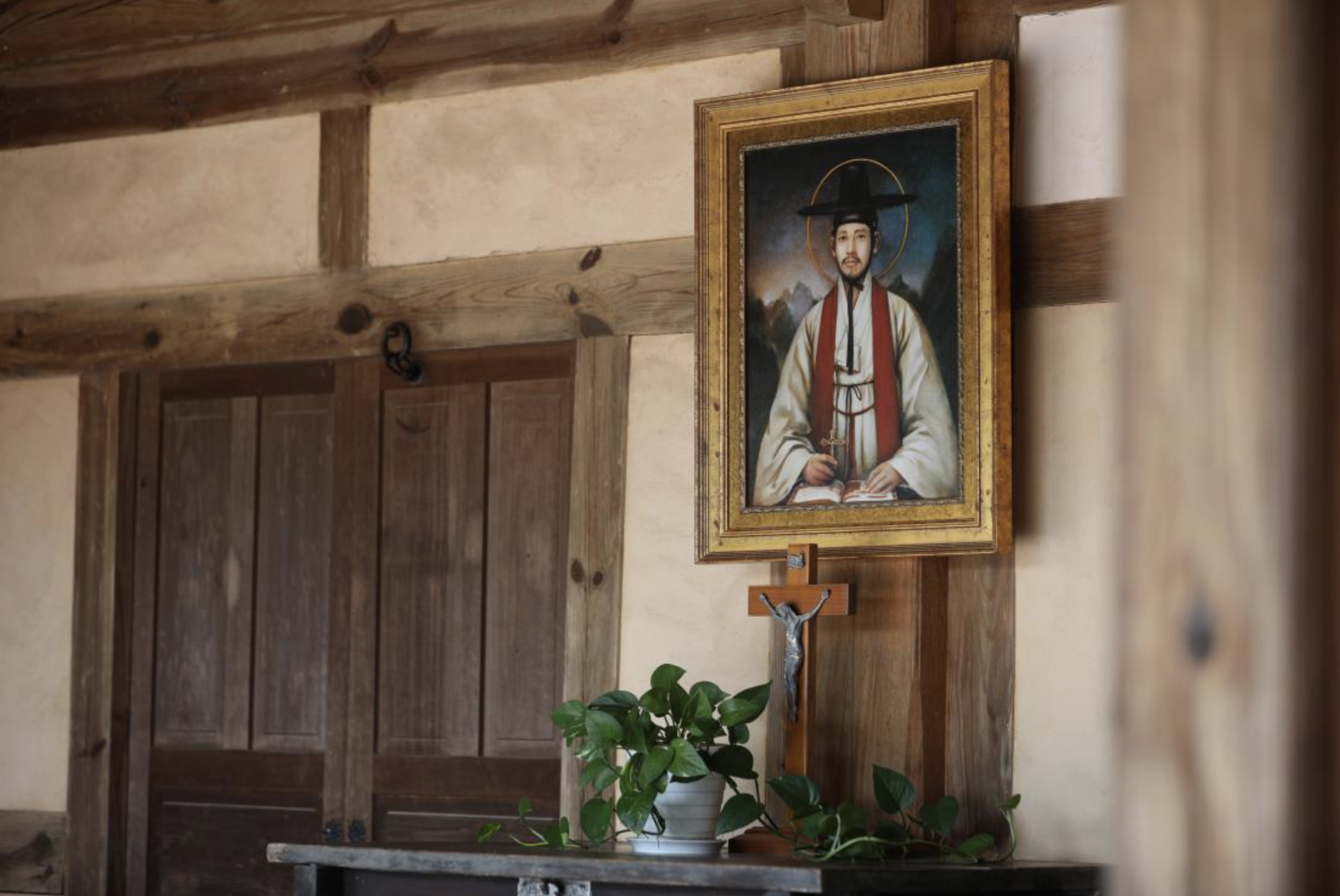
Pictures from our users
Program
Incheon – Mirinae Shrine - Gongseri Church - Seosan
-
1
Incheon International Airport
Arrive Incheon International Airport & Guide Meeting
-
2
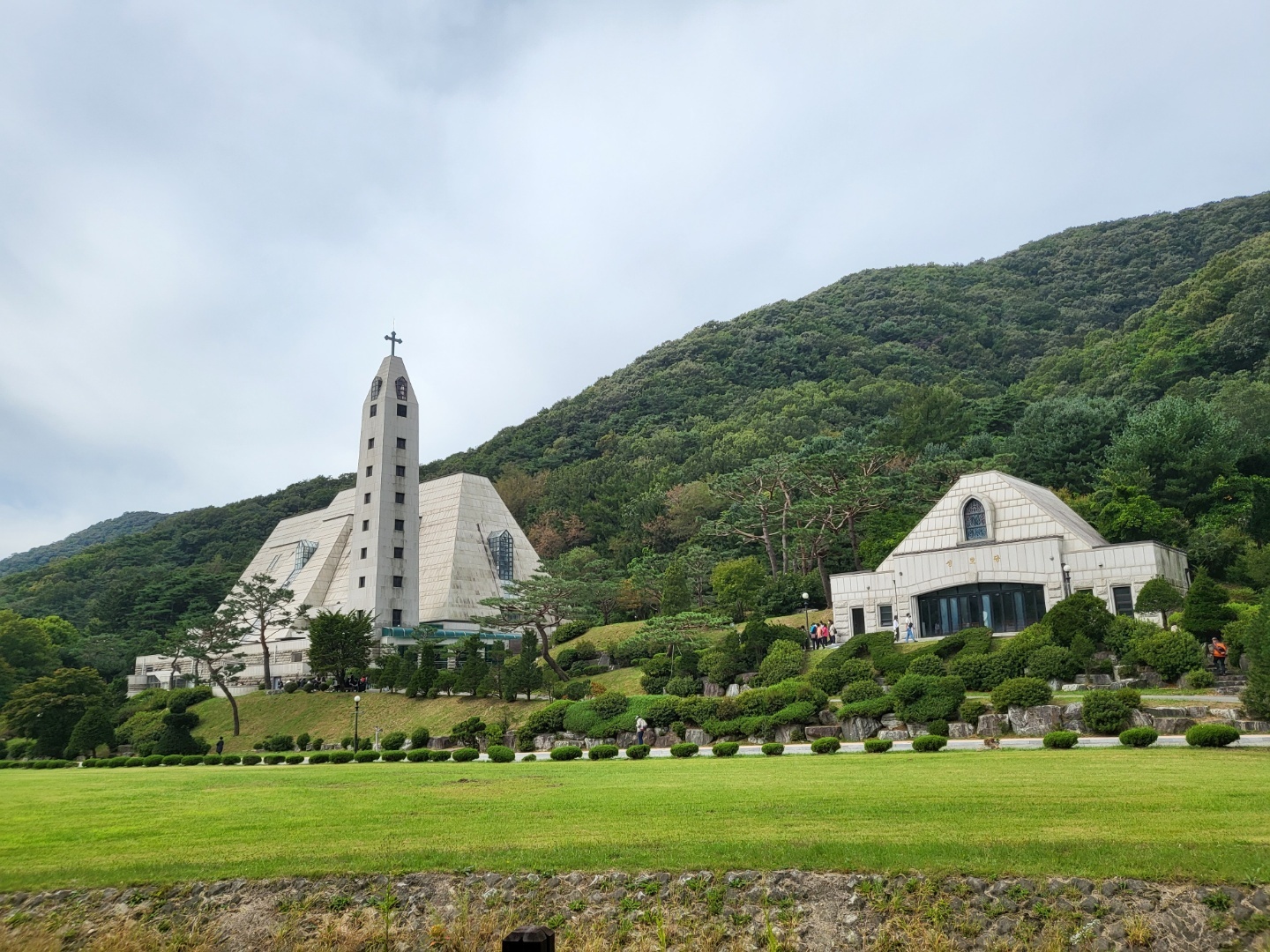
Mirinae Shrine
Mirinae is one of the most sacred and significant Catholic pilgrimage
sites in Korea. The name ‘Mirinae’ is a pure Korean word meaning ‘The
Milky Way’, which originated from the flickering lights of the lamps used
by early Christians who formed a secret village to avoid religious
persecution.
This shrine is the final resting place of Saint Andrew Kim Taegon, the
first priest and martyr of Korea. It also holds the graves of his mother,
Ursula, and Bishop Ferréol, the prelate who ordained him.
-
3
Gongseri Church
Gongseri Catholic Church is one of Korea's most beautiful and historic
churches, famous for its Gothic Revival architecture and century-old
trees. As a sacred pilgrimage site, it enshrines the relics of 32 martyrs
who sacrificed their lives during the religious persecutions of the Joseon
Dynasty. Established in 1890, this picturesque sanctuary offers a peaceful
'Way of the Cross' path, making it a perfect place for prayer and
reflection. -
4
Move to Seosan and check in to the accommodation.
Incheon Int'l Airport -> Mirinae Shrine : Approx. 1 hour 40 minutes(95km)
Mirinae Shrine -> Gongseri Shrine : Approx. 1 hour(55km)
Gongseri Shrine -> Seosan : Approx. 50 minutes(45km)
Seosan – Solmoe Shrine – Haemi Shrine - Jeonju
-
1
Breakfast
-
2
Departure from Seosan
-
3
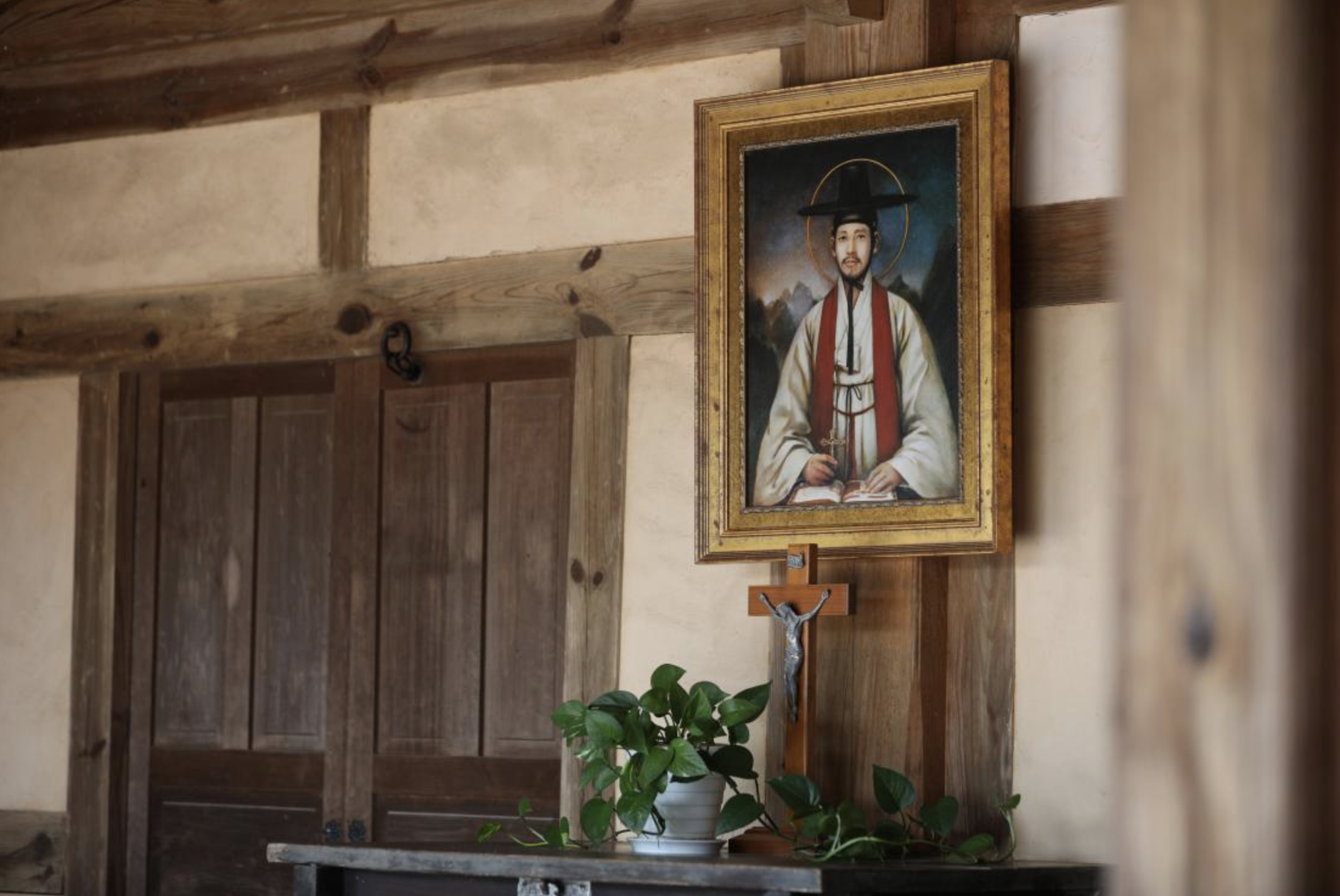
Solmeo Shirine
Solmoe Shrine is the birthplace of Saint Andrew Kim Taegon, the first
native Korean priest and a primary patron saint of Korea. The name
"Solmoe," meaning "a mountain of pines," reflects the serene landscape
that surrounds this sacred ground.
This shrine is not merely a memorial but a place where four
generations of Saint Andrew Kim’s family lived and bore witness to their
faith, leading to the martyrdom of eleven family members. Its spiritual
significance was globally highlighted in 2014 when Pope Francis visited to
meet with Asian youth, emphasizing the shrine's role as a beacon of
hope and vocation.
-
4
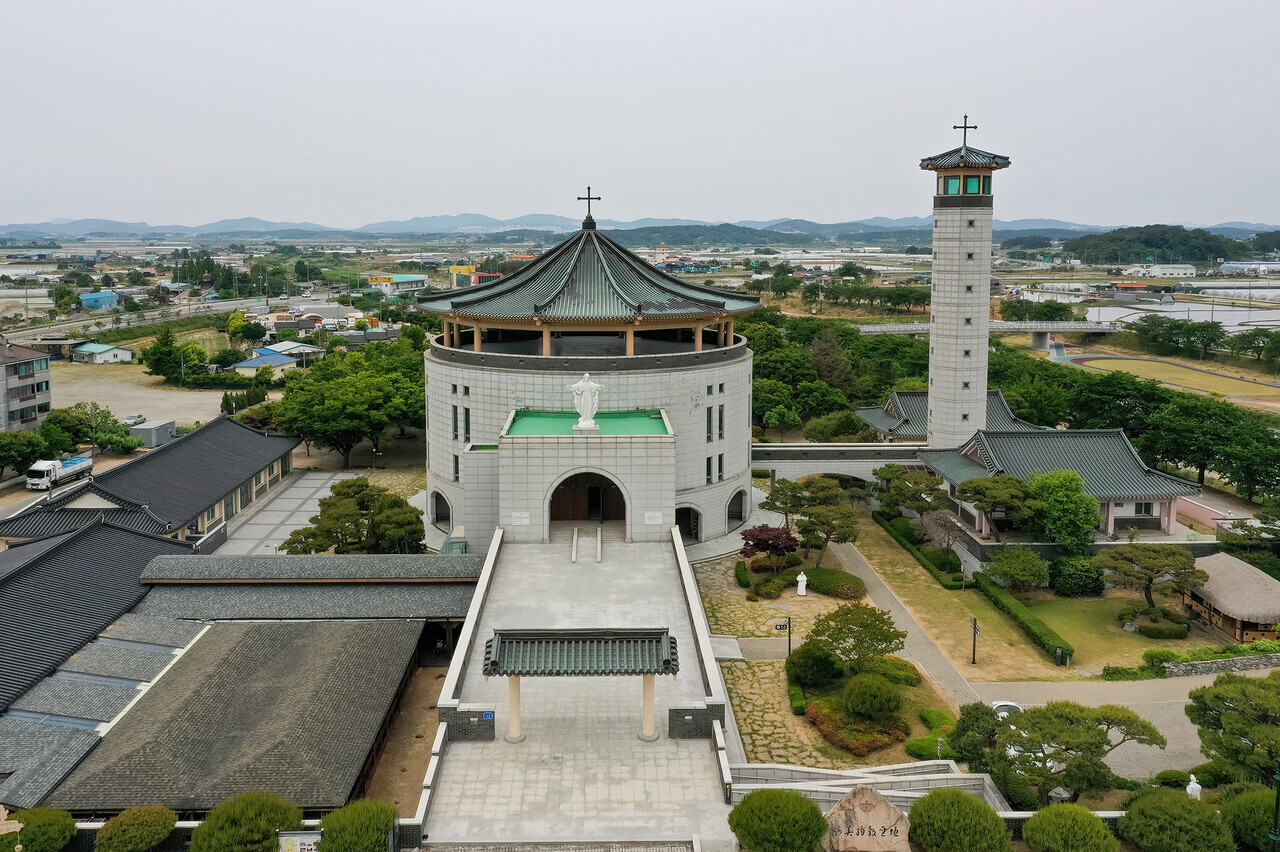
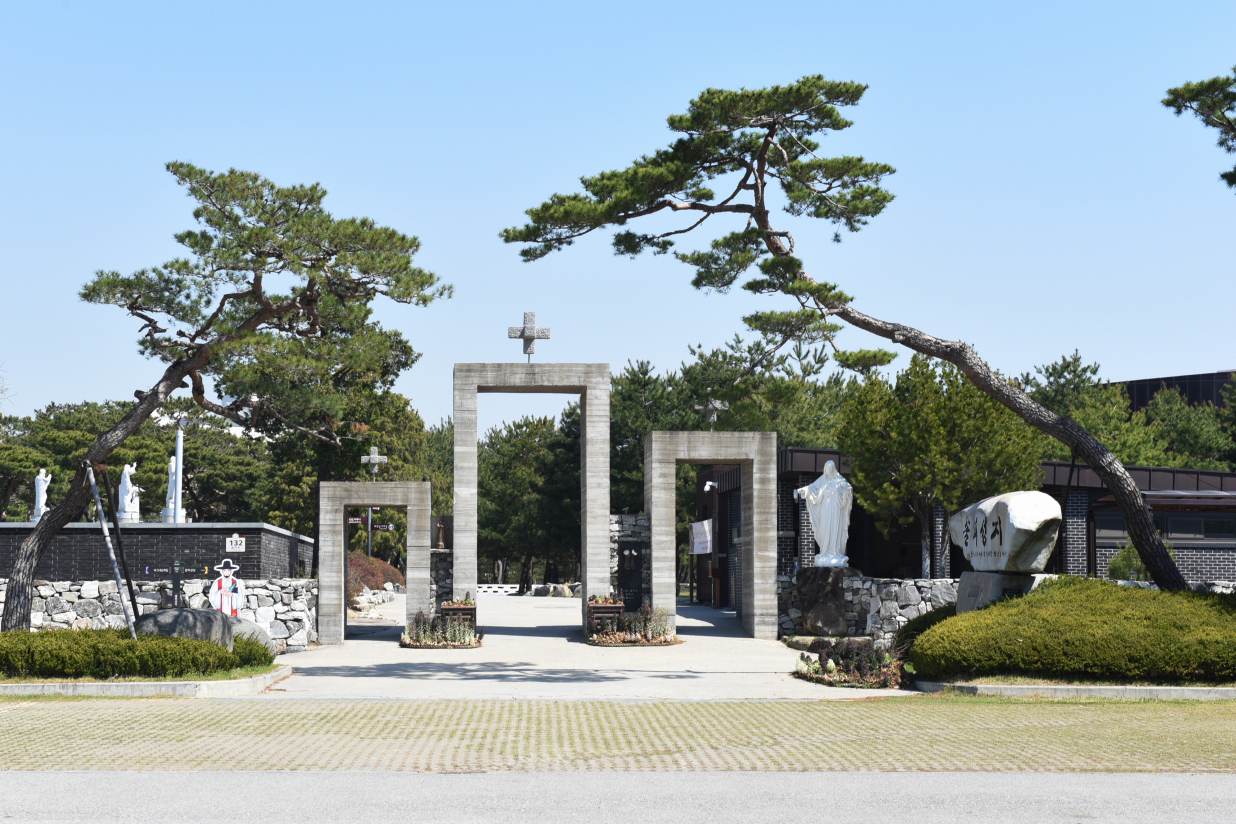
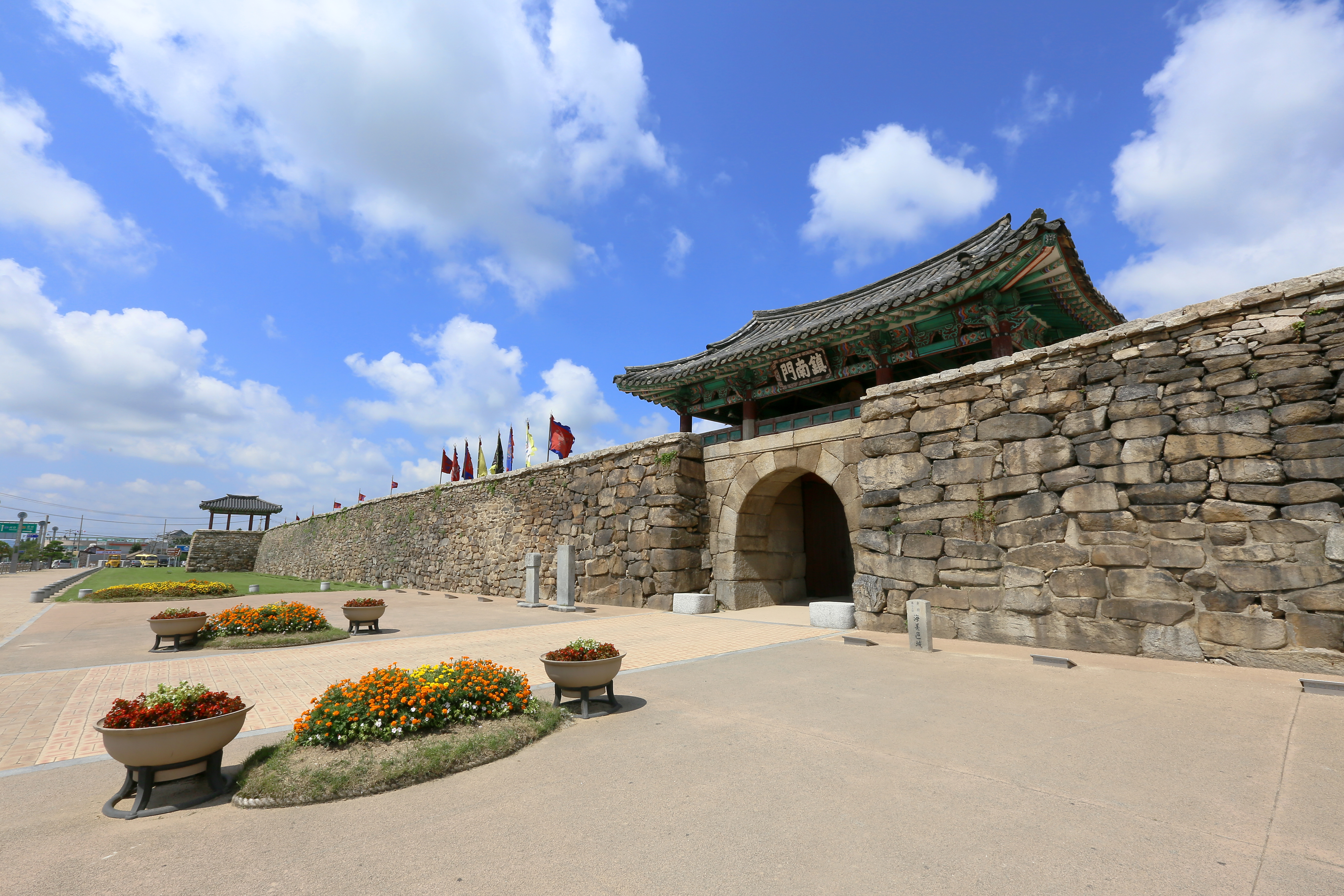
Haemi Shrine
Haemi Martyrdom Shrine stands as a solemn testament to the
thousands of unnamed martyrs who sacrificed their lives during the
brutal persecutions of the 19th century. Unlike other shrines that focus
on specific famous figures, Haemi honors the "ordinary" believers who
chose death over apostasy, many of whom were buried alive or executed
at the nearby Haemi Fortress. In 2021, its profound historical and
spiritual value was recognized by the Holy See, which officially designated
it as an International Pilgrimage Shrine.
-
5
Move to Jeonju and check in to the accommodation.
Seosan (Accommodation) -> Solmoe Shrine : Approx. 35 minutes(25km)
Solmoe Shrine -> Haemi Martyrdom Shrine : Approx. 30 minutes(20km)
Haemi Shrine -> Jeonju : Approx. 1 hour 40 minutes(약 120km)
Jeonju – Seoul
-
1
Breakfast
-
2
Exploring Jeonju's spirituality and traditional culture.
-
3
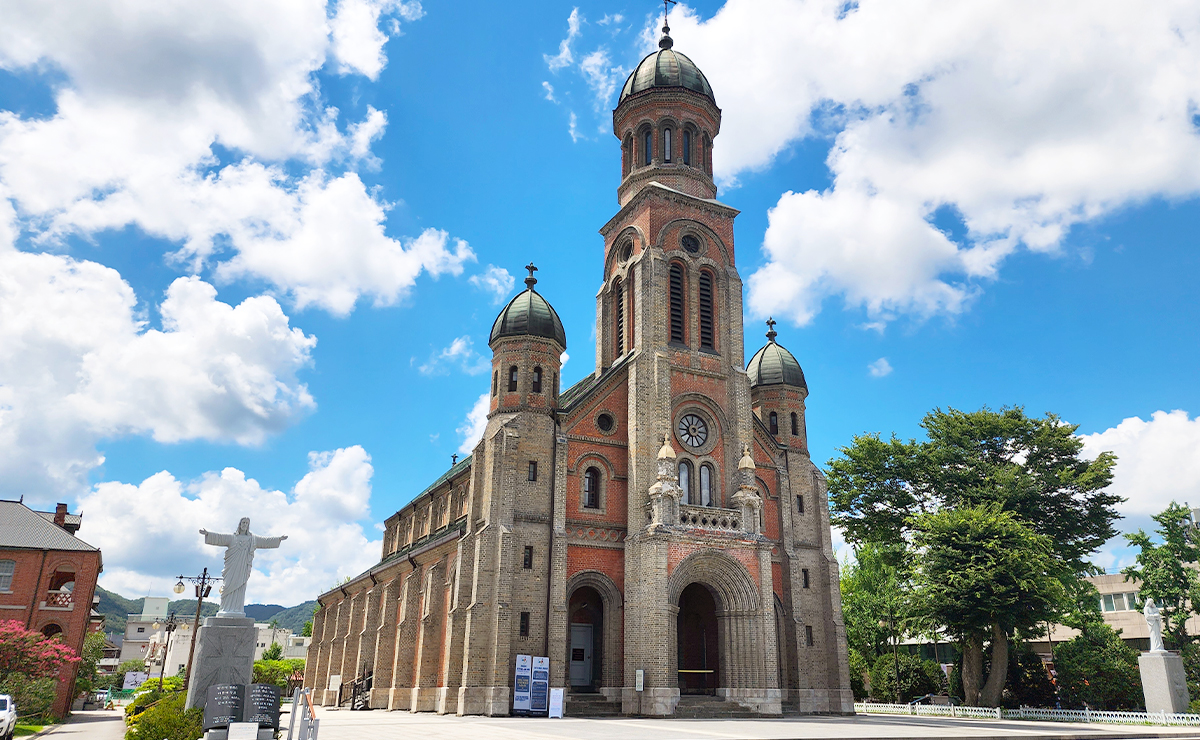
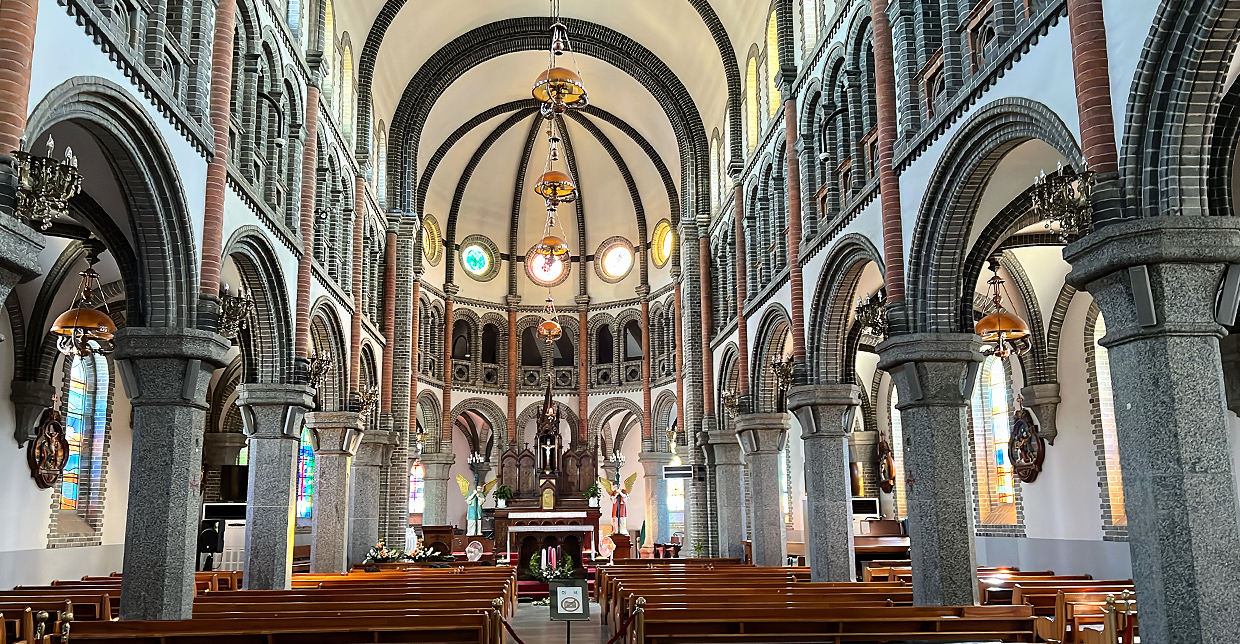
Jeondong Old Cathedral
Jeondong Old Cathedral, also a significant martyrdom shrine, is widely
considered one of the most beautiful religious structures in Korea. Built
on the very site where the first Korean Catholic martyrs, Yun Ji-chung
(Paul) and Kwon Sang-yeon (James), were executed in 1791, the cathedral
stands as a triumphant symbol of faith overcoming persecution.
This shrine is not merely a memorial but a place where four
generations of Saint Andrew Kim’s family lived and bore witness to their
faith, leading to the martyrdom of eleven family members. Its spiritual
significance was globally highlighted in 2014 when Pope Francis visited to
meet with Asian youth, emphasizing the shrine's role as a beacon of
hope and vocation.
-
4
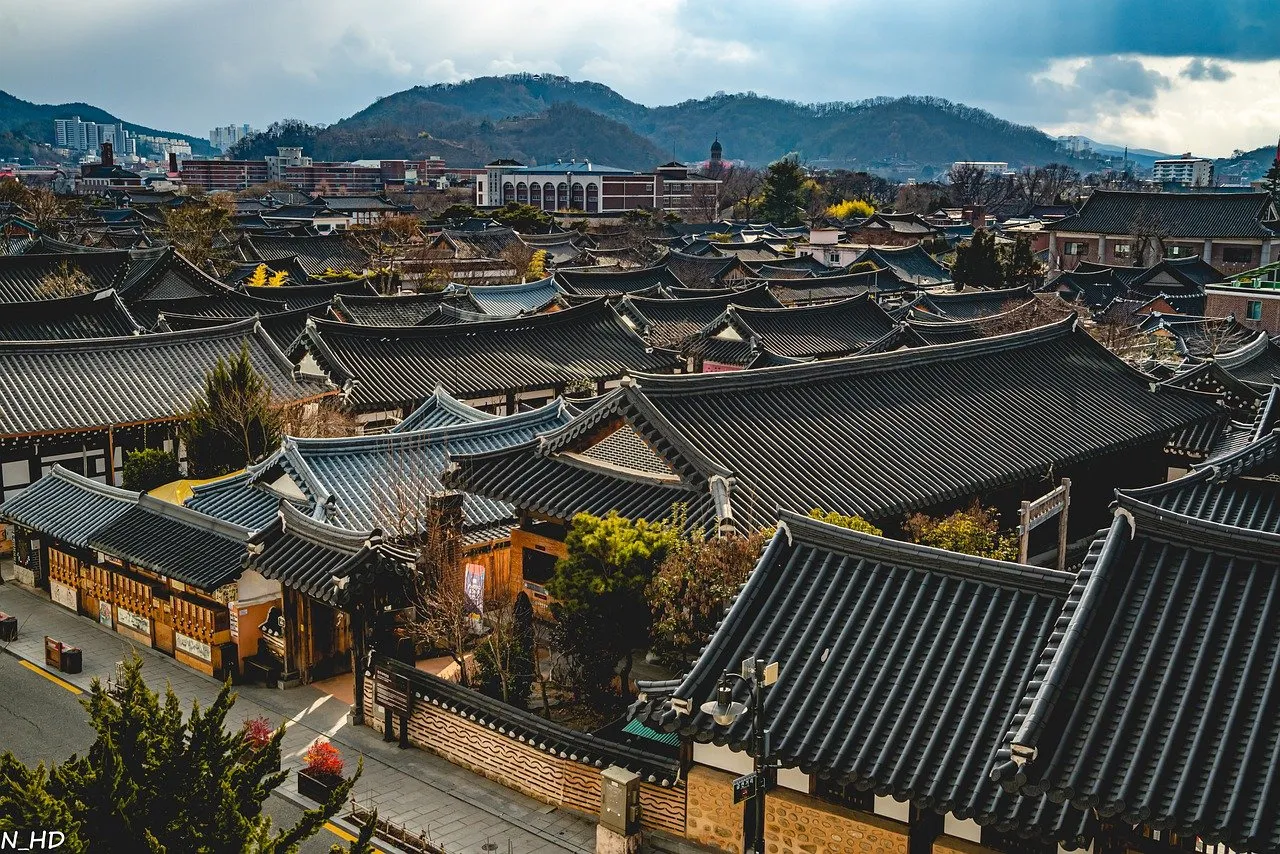
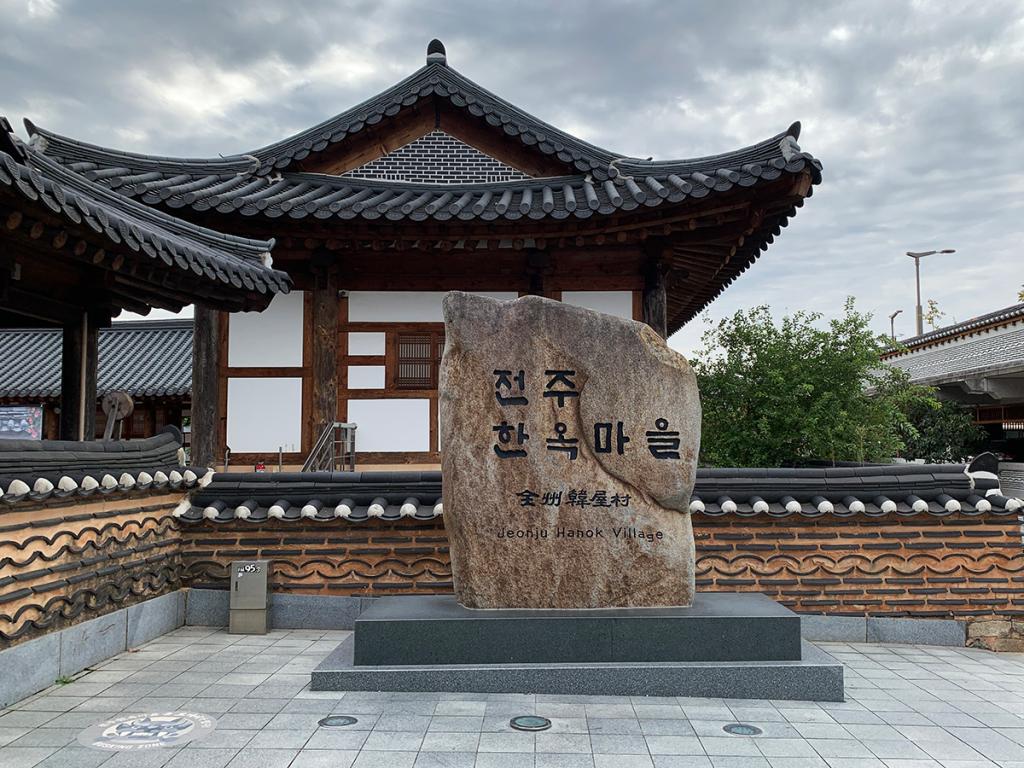
Jeonju Hanok Village
Adjacent to the cathedral lies the Jeonju Hanok Village, the largest
traditional Korean village in the country, featuring over 700 "Hanok"
(traditional houses). The village offers a unique glimpse into the Joseon
Dynasty’s lifestyle, with its elegant curved rooflines (Cheoma) and peaceful
courtyards. For pilgrims, it provides a serene environment for reflection after
visiting the shrine. Also In the context of church history, this area was a
bustling center of Jeonju where early Christians lived and bore witness to
their faith amidst their neighbors.
-
5
Depart from Jeonju and arrive in Seoul.
Jeonju -> Seoul : Approx. 3 hours(210km)
✅ What's included
- Accommodation : First-class hotels in each region (Based on double occupancy / 2 persons per room).
- Meals : 3 Korean meals per day (Full board).
- Sightseeing : Entrance fees for all attractions specified in the itinerary.
- Guide : Professional English-speaking local guide.
❌ What's not included
- Personal Expenses : Individual purchases and private activities.
- Beverages : Drinks and beverages not included in standard meals.
- Gratuities : Tips for the guide and driver, and other service tips.